Source Automatic Electric Shrimp Shelling Machine for Restaurants
Explore 30 listings for the automatic electric shrimp shelling machine designed for restaurants, food processing factories, and commercial kitchens. Buyers can compare specifications like power, weight, and water consumption to find the right equipment.
Key considerations
Products List

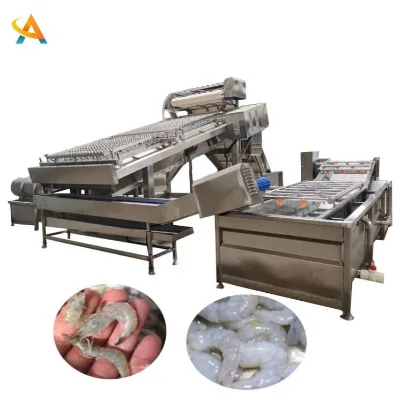
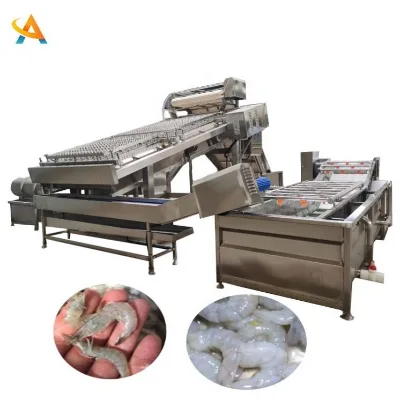


Comprehensive Sourcing Guide
Strategic Sourcing Guide for Automatic Electric Shrimp Shelling Machines
Understanding the Technical Landscape of Automated Shelling Equipment
The procurement of an automatic electric shrimp shelling machine requires a precise understanding of the mechanical and electrical specifications that define operational efficiency. Based on current market observations, these machines are predominantly electric, utilizing power sources that typically range from 220V to 380V, depending on the specific model and regional electrical infrastructure. The core processing mechanism often involves thermal processing or mild processing techniques, designed to handle the delicate nature of seafood without compromising product integrity.
A critical observation in the current supply pool is the variation in physical dimensions and weight, which directly impacts facility planning. For instance, specific models such as the GY-BXJ-700 and the HT-XQK50 exhibit distinct footprint requirements. The GY-BXJ-700 is noted with a standard dimension of 10409301300 mm, while other configurations, such as the HT-XG1, may feature dimensions of 1300450800 mm, and larger units like the XBK series can reach 180014001650 mm. Buyers must verify the exact single package size, which can be as large as 180x140x165 cm, to ensure adequate space for installation and maintenance access.
The weight of these machines varies significantly across the product spectrum. Observed data indicates weights ranging from 70 kg for smaller units to 800 kg for heavy-duty industrial models. The 800 kg figure is particularly relevant for large-scale processing lines where stability and vibration dampening are paramount. Furthermore, the material composition is a key differentiator; high-quality units are constructed from 304 Stainless Steel, ensuring resistance to corrosion in wet, saline environments typical of seafood processing. The core components driving these machines include motors and bearings, which are essential for the automatic grade of operation. The power consumption for specific models is recorded at 1.5 kW or 750 W, while water consumption varies, with some units requiring 120 L/H and others up to 0.6 t/h. These figures are critical for calculating operational overheads and utility infrastructure requirements.
Operational Capacity and Performance Metrics
When evaluating the performance of an automatic electric shrimp shelling machine, capacity and efficiency are the primary drivers of return on investment. The market presents a wide range of processing capabilities, with observed capacities spanning from 40 to 50 kg/h for certain models to significantly higher outputs for industrial-grade units. The distinction between "Automatic Grade" and "Mild Processing" suggests that different machines are optimized for different stages of the supply chain or different shrimp varieties.
The automation level is a defining feature, with many units boasting high automation and high efficiency as a primary advantage. This automation reduces the reliance on manual labor, which is often a bottleneck in seafood processing. The machinery is designed to operate continuously, with a reported production capacity of 95% in some contexts, indicating high uptime reliability. However, buyers should treat these percentages as observations of specific listed products rather than universal guarantees for all models. The actual throughput will depend on the size and type of shrimp being processed, as well as the maintenance schedule of the equipment.
Water pressure is another critical operational parameter, with specific models requiring a pressure of 0.4 MPa. This requirement must be met by the facility's water supply system to ensure the machine functions correctly. The combination of water consumption rates and pressure requirements means that buyers must assess their existing water infrastructure before procurement. Additionally, the marketing type of these products is often categorized as "Ordinary Product," suggesting that while they are functional and reliable, they may not include proprietary or highly specialized features found in premium-tier equipment. Understanding these performance metrics allows buyers to align their procurement choices with their specific production targets and facility constraints.
Compliance, Certification, and Safety Standards
In the realm of food processing machinery, compliance with safety and hygiene standards is non-negotiable. While specific certification statuses like CE are mentioned in background data, buyers must verify the actual certification status of the specific unit they intend to purchase. The supply chain for these machines is heavily concentrated in China, with origins noted in regions such as Henan. This geographic concentration can influence the availability of specific certifications and the ease of verifying compliance with international standards.
The machinery test report is a vital document provided by suppliers, offering empirical data on the machine's performance and safety. Buyers should request this report as a prerequisite for purchase to ensure the equipment meets the necessary safety thresholds. The warranty period is another critical compliance factor, with a standard offering of 1 Year observed in the market. This warranty typically covers core components such as the motor and bearings, providing a safety net against manufacturing defects.
Packaging standards also play a role in compliance, particularly regarding international shipping and environmental regulations. The use of fumigation-free wooden cases or wooden box packaging is observed, which is crucial for meeting phytosanitary requirements in various import markets. The standard dimensions and weights listed in the product specifications must be cross-referenced with the actual shipping documents to ensure accuracy. Buyers should also verify that the machinery test report and warranty terms are explicitly stated in the contract, as these documents serve as the legal basis for recourse in case of non-compliance or performance failure.
Cost Drivers and Pricing Dynamics
The pricing of automatic electric shrimp shelling machines is influenced by a complex array of factors, including capacity, material quality, and automation level. The observed price range in the market is substantial, spanning from 520 USD to 200,000 USD. This wide disparity reflects the difference between small-scale units suitable for restaurants and large-scale industrial machines designed for food processing factories. The minimum order quantity (MOQ) is generally low, ranging from 1 to 3 units, which allows for flexibility in procurement for smaller buyers.
Several key drivers contribute to the final cost. The use of 304 Stainless Steel is a significant cost factor, as it ensures durability and compliance with food safety standards. Machines with higher automation levels and advanced features, such as the "High Automation and High Efficiency" models, command a premium price. The power source and voltage requirements also impact cost, with 380V industrial units often being more expensive than 220V commercial units due to the complexity of the electrical systems. Additionally, the weight and dimensions of the machine affect shipping costs, which can be a substantial portion of the total cost of ownership for heavy units like the 800 kg models.
Buyers should be aware that the "Marketing Type" of the product, often listed as "Ordinary Product," may influence the pricing strategy. While these products are functional, they may lack the premium features of specialized models. The warranty period of 1 Year is a standard offering, but extended warranties or service packages may incur additional costs. It is essential for buyers to request detailed quotations that break down the cost of the machine, shipping, packaging, and any potential import duties to avoid hidden expenses.
Supplier Evaluation and Verification Protocols
Selecting the right supplier for an automatic electric shrimp shelling machine requires a rigorous evaluation process. The observed data indicates that many suppliers are based in China, with specific mentions of Henan as a production hub. Buyers should verify the supplier's production capacity and their ability to meet the required lead times, although specific lead time figures are not provided in the current data. The presence of a machinery test report is a strong indicator of a supplier's commitment to quality and transparency.
When evaluating suppliers, buyers should look for those who provide clear and detailed product specifications, including voltage, weight, dimensions, and material composition. The ability to offer customization is a significant advantage, as it allows buyers to tailor the machine to their specific processing needs. The "Customized" attribute observed in the market suggests that many suppliers are willing to adapt their products to client requirements. Buyers should also assess the supplier's after-sales support, including the availability of spare parts and technical assistance.
The brand name "AD" is observed in the market, but buyers should not rely solely on brand reputation. Instead, they should conduct due diligence by checking the supplier's history, customer reviews, and references. The "Single gross weight" and "Single package size" provided in the product details should be verified against the supplier's shipping documentation to ensure accuracy. Additionally, buyers should confirm the supplier's ability to provide the machinery test report and warranty documentation in a timely manner.
Quality Control and Long-Term Procurement Strategy
Ensuring the quality of an automatic electric shrimp shelling machine is essential for maintaining operational efficiency and minimizing downtime. The use of high-quality core components, such as motors and bearings, is a key indicator of a well-built machine. Buyers should verify the quality of these components through the machinery test report and by inspecting the physical condition of the unit upon delivery. The material composition, specifically the use of 304 Stainless Steel, should be confirmed to ensure resistance to corrosion and compliance with food safety standards.
Long-term procurement considerations include the availability of spare parts and the ease of maintenance. The warranty period of 1 Year provides a baseline for support, but buyers should negotiate for extended support options if the machine is critical to their operations. The "High Automation and High Efficiency" features of the machine should be maintained through regular maintenance schedules to ensure optimal performance. Buyers should also consider the scalability of the machine, ensuring that it can be upgraded or expanded as their production needs grow.
The "Applicable Industries" for these machines include restaurants and food processing factories, indicating their versatility. However, buyers should ensure that the machine is suitable for their specific application, considering factors such as the type of shrimp, the volume of processing, and the available space. The "Production Capacity" of 95% is a strong indicator of reliability, but buyers should verify this figure through their own testing or by consulting with other users of the same model.
Comparative Analysis of Key Product Attributes
To facilitate informed decision-making, the following table summarizes the key attributes observed in the market for automatic electric shrimp shelling machines. This comparison highlights the diversity in specifications and helps buyers identify the most suitable options for their needs.
| Attribute | Model A (e.g., GY-BXJ-700) | Model B (e.g., HT-XQK50) | Model C (e.g., HT-XG1) |
|---|---|---|---|
| Product Name | Shrimp Shelling Machine | Electric Fish Cutting Machine | Electric Fish Cutting Machine |
| Voltage | 220V/380V | 220V | 380V |
| Power | 1.5 kW | 750 W | Not Specified |
| Weight | 230 kg | 800 kg | 70 kg |
| Dimensions | 10409301300 mm | 180014001650 mm | 1300450800 mm |
| Material | 304 Stainless Steel | 304 Stainless Steel | 304 Stainless Steel |
| Water Pressure | 0.4 MPa | Not Specified | Not Specified |
| Water Consumption | 120 L/H | 0.6 t/h | Not Specified |
| Capacity | Not Specified | 40-50 kg/h | Not Specified |
| Warranty | 1 Year | 1 Year | 1 Year |
| Origin | China | Henan, China (Mainland) | Henan, China (Mainland) |
| Packing | Wooden Case | Fumigation-Free Wooden Case | Fumigation-Free Wooden Box |
This table illustrates the significant variation in specifications across different models. Buyers must carefully match these attributes to their specific operational requirements. For instance, a restaurant with limited space might prefer the compact HT-XG1 model, while a large food processing factory would require the high-capacity HT-XQK50. The voltage and power requirements must also align with the facility's electrical infrastructure to avoid costly upgrades.
Final Procurement Recommendations
In conclusion, sourcing an automatic electric shrimp shelling machine involves a careful balance of technical specifications, cost considerations, and supplier reliability. The wide range of available models, from small 70 kg units to heavy 800 kg industrial machines, offers flexibility for buyers with diverse needs. However, the variability in specifications, such as voltage, power, and water consumption, necessitates a thorough review of the product details before making a purchase decision.
Buyers should prioritize suppliers who provide comprehensive documentation, including machinery test reports, warranty terms, and detailed specifications. The use of 304 Stainless Steel and high-quality core components like motors and bearings are essential for ensuring durability and compliance with food safety standards. Additionally, the availability of customization options allows buyers to tailor the machine to their specific processing requirements.
By adhering to the guidelines outlined in this sourcing guide, buyers can make informed decisions that align with their operational goals and budget constraints. The key to successful procurement lies in a rigorous evaluation of the product attributes, a thorough verification of supplier credentials, and a clear understanding of the long-term maintenance and support requirements. With the right approach, buyers can secure a reliable and efficient automatic electric shrimp shelling machine that enhances their production capabilities and ensures the quality of their seafood products.
FAQs
What is the power source for automatic electric shrimp shelling machines?
The power source is electric, typically operating at 220V or 380V depending on the model. Specific units may require 1.5kW or 750W power ratings to function correctly within food processing facilities.
Which materials are used to construct these machines for food safety?
High-quality units are constructed from 304 Stainless Steel to ensure resistance to corrosion in wet, saline environments. This material choice is critical for maintaining hygiene standards in seafood processing applications.
Can these machines be customized for specific processing needs?
Yes, customization is available to tailor the machine to specific client requirements. Buyers can request adaptations for different shrimp varieties or production line configurations to optimize operational efficiency.
What is the typical weight range for these industrial machines?
Weights vary significantly, ranging from 70 kg for smaller units to 800 kg for heavy-duty industrial models. The 800 kg figure is relevant for large-scale processing lines requiring stability and vibration dampening.
How much water do these machines consume during operation?
Water consumption varies by model, with some units requiring 120 L/H and others up to 0.6 t/h. Specific models also require a water pressure of 0.4 MPa to function correctly.
What is the warranty period for core components like motors?
The standard warranty period is 1 Year, typically covering core components such as the motor and bearings. This warranty provides a safety net against manufacturing defects for the initial operational period.